
A home near the salt marsh in Yarmouth Port can feel like a different Cape Cod experience from a cottage near Seagull Beach or a house along Bass River. All three are in Yarmouth, Massachusetts, and the differences become clearer when you spend time in each village. Where will you go for groceries in February? How easily can you get to the water in July? What will it take to maintain the property between visits?
Whether you’re moving to Cape Cod year-round or looking for a second home, these frequently asked questions can help you compare Yarmouth’s villages, narrow your home search, and know what to look into before making an offer.
Yarmouth is a Mid-Cape town between Barnstable and Dennis. It stretches from the Cape Cod Bay side of the peninsula to Nantucket Sound, with Bass River along its eastern side. The town includes three villages you’ll commonly see in property listings: Yarmouth Port, South Yarmouth, and West Yarmouth.
If you’re searching by ZIP code, use 02675 for Yarmouth Port, 02664 for South Yarmouth, and 02673 for West Yarmouth. Searching all three can help you catch homes you might miss when you search by a single village name.
Yarmouth Port is on the north side of town, along historic Route 6A. If you’re drawn to older Cape homes, salt marsh views, and walks near the bay, start here. Gray’s Beach, also known as Bass Hole, has a boardwalk that reaches out across the marsh. If you’re touring an older home, ask about insulation, heating, and any restrictions that could affect exterior work you’re considering.
South Yarmouth offers access to Bass River and Nantucket Sound, as well as everyday shopping and services along Route 28. The experience varies by address. A house near South Shore Drive may suit someone who wants to spend summer afternoons at the beach, while a home farther inland may work better for a buyer who prioritizes errands, a garage, or more space. Smuggler’s Beach, also called Bass River Beach, is where the river meets Nantucket Sound.
West Yarmouth is the village closest to Hyannis. It’s worth exploring if you regularly travel toward Hyannis or want to be near Seagull Beach. Here, a cottage close to the shore and a condo farther inland can offer very different ownership experiences. Visit the immediate neighborhood and drive the routes you’ll use most often, particularly if you expect to be there during the busy summer months.

Yarmouth can be a good fit if you want to live near the water and still have everyday services within reach. The Mid-Cape location makes it practical to consider homes across several villages while keeping the same general area for work, appointments, and errands. Your day-to-day experience will depend on the address and the routes you use.
If you’re relocating from off Cape, spend part of a visit doing ordinary things. Drive to the grocery store, test the trip to work or appointments, and see where you’d take a walk on a weekday. If you work remotely, confirm internet service at the address. For a home that has primarily been used in summer, look closely at heating, insulation, and how the house handles damp or cold weather.
Yarmouth real estate includes single-family homes, Cape-style cottages, ranches, condos, and waterfront properties. Buyers looking for single-level living may want to start with ranches and first-floor primary bedrooms. Buyers who spend only part of the year on the Cape may prefer a condo or a smaller house with a manageable yard. The right fit often comes down to how you want to spend your time once you’re here.
When comparing a condo with a single-family home, look at the total cost of ownership. Ask what the condo fee covers, how the association pays for major repairs, and whether there are rules about pets, guests, or rentals. For a house, consider the roof, heating system, yard, and any upkeep you’ll need to arrange while you’re away.
Start with recent comparable sales for the type of home you want. A townwide median combines properties that may have little in common, such as a one-bedroom condo, a renovated year-round house, and a waterfront home with a dock. A handful of recent sales with similar locations, features, and condition will give you a better basis for comparing asking prices.
We can help you look at what’s for sale, what comparable homes actually sold for, and which differences matter for your budget. As you narrow your list, factor in property taxes, insurance, condo fees where applicable, and any work the home will need after closing.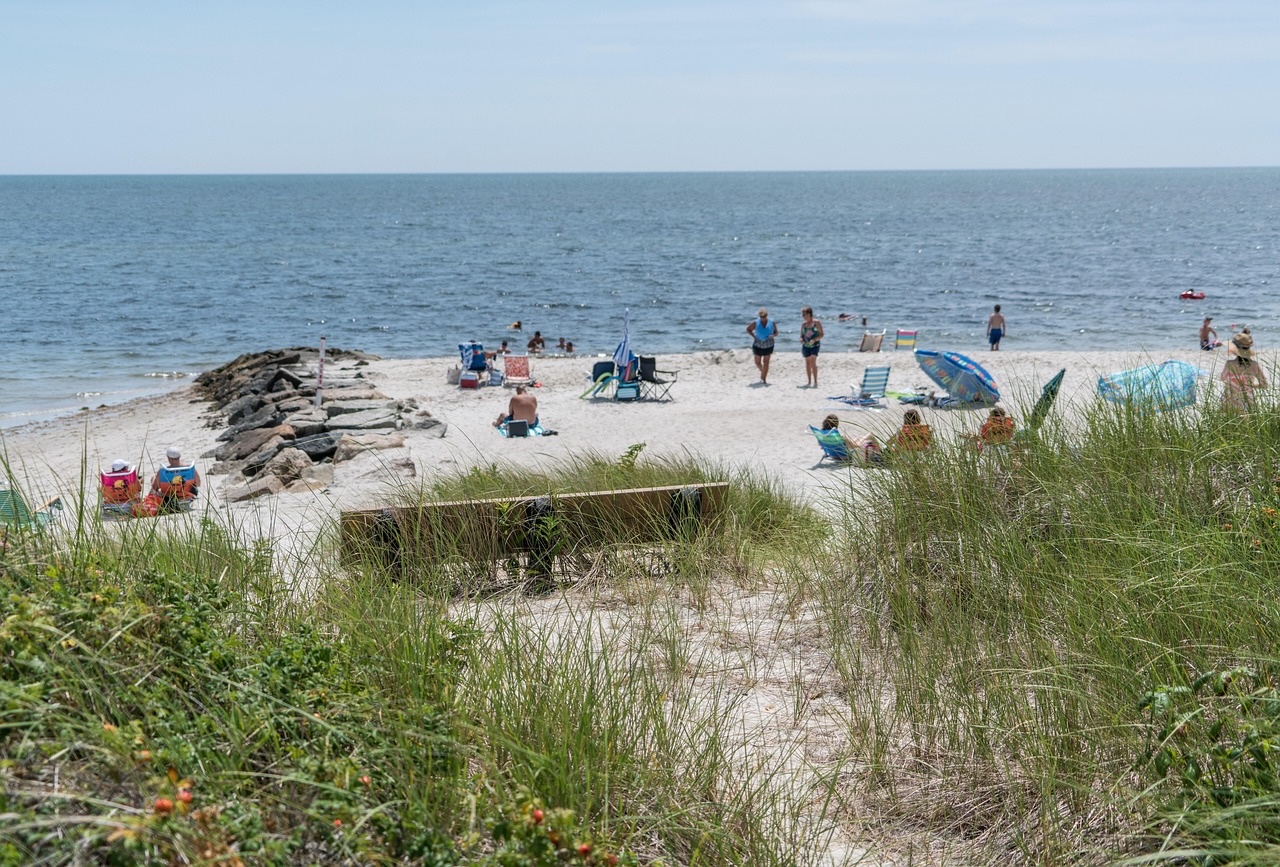
For a broad stretch of Nantucket Sound shoreline, visit Seagull Beach in West Yarmouth. In South Yarmouth, Bass River Beach, also known as Smuggler’s Beach, has a boat ramp and fishing deck near the river mouth. Parker’s River Beach, on South Shore Drive, has a seawall walkway. On the north side, Gray’s Beach at Bass Hole is a good place to get a feel for Yarmouth Port’s marsh and bay landscape.
If you’re looking for a home within walking distance of a beach, walk the actual route from the property. See where you’ll cross the road, whether there’s a sidewalk, and where you enter the beach. If you expect to drive, check the town’s seasonal parking and sticker information so you know how access works.
Ask what comes with the property. A water view, deeded beach access, and a private dock are different features, even when listing photos make them look similar. Review the deed and any easements with your closing attorney, and ask for records related to a dock, seawall, or other shoreline structure if one is part of the property.
Check flood information for the specific address and get an insurance quote early enough to factor it into your decision. It’s also worth asking about drainage, past water intrusion, and upkeep for exterior materials exposed to salt air. These details can affect how much a coastal home costs to own and how much work it takes to maintain.
Check the individual property. Yarmouth is building its municipal wastewater system in phases, so sewer availability and connection timing can vary by address. If a home has a septic system, ask for the available inspection and maintenance records. If the property falls within a planned sewer area, confirm the status with the town and ask what connection work or costs may apply to that address.
If rental income is part of your plan, confirm what’s allowed before you make an offer. Check with the town about the proposed rental use and any applicable requirements. For a condo, review the association documents for limits on rentals, including minimum stay lengths. Ask an insurance professional how the intended use would affect your coverage and costs.
Also think about when you want to use the home yourself. If you’re buying for July and August weekends, build your budget around the weeks you’re realistically willing to rent, along with cleaning, management, maintenance, and time between bookings.
Start with what you want to be able to do easily once you move in. That might mean walking to the beach, getting to Hyannis regularly, keeping a boat nearby, or having a house you can comfortably leave for several weeks at a time. Then look across all three villages and compare homes by location, condition, and the full cost of ownership.
At McDevitt Realtors, we can help you narrow your search, compare properties, and work through the questions that come up when you’re buying on Cape Cod. If you’re still deciding between villages, tell us what you’re looking for and we’ll help you figure out where to start.
Sign in with your email address
Enter your email address
Please wait...
You’re being redirected to the page with listing data.